Most pet parents think of dog poop as a quick chore, scoop it, bag it, move on. But what's left behind when it sits in the grass is doing far more damage than a stray brown spot. Between lawn-killing chemistry, stubborn parasites, and the stubborn myth that rain just "rinses it away," your yard is quietly paying a price every single week. Here's exactly what's happening under your feet, and why it matters more than you'd guess.
It's not fertilizer, it's a chemical burn
There's a popular belief that dog waste acts like a free fertilizer. It's an easy mistake to make, because cow manure is genuinely used to enrich soil. The difference is diet. Cows eat grass and grain, so their waste breaks down into balanced, plant-friendly nutrients. Dogs eat high-protein meat-based food, which produces waste that's extremely acidic and loaded with concentrated nitrogen.
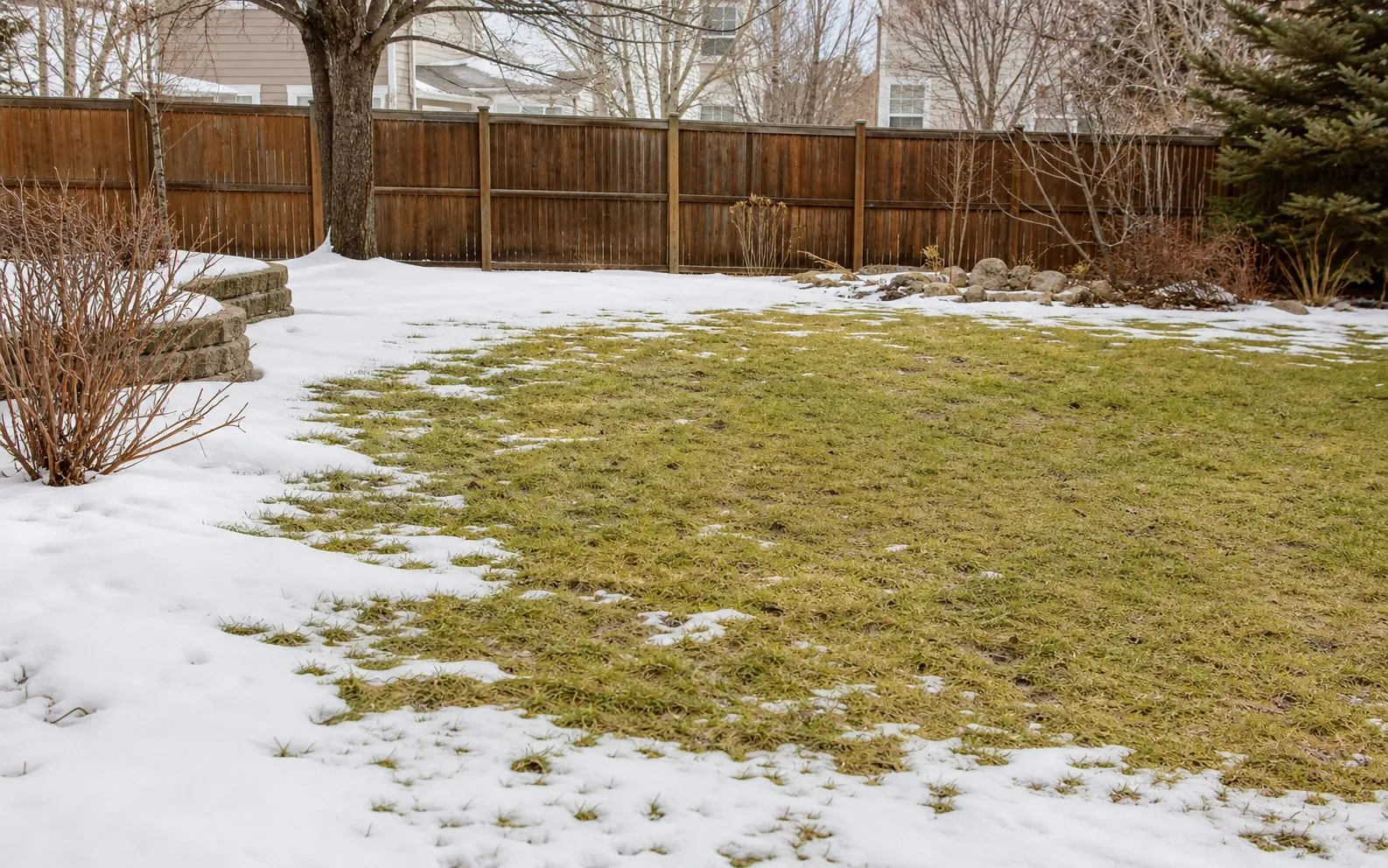
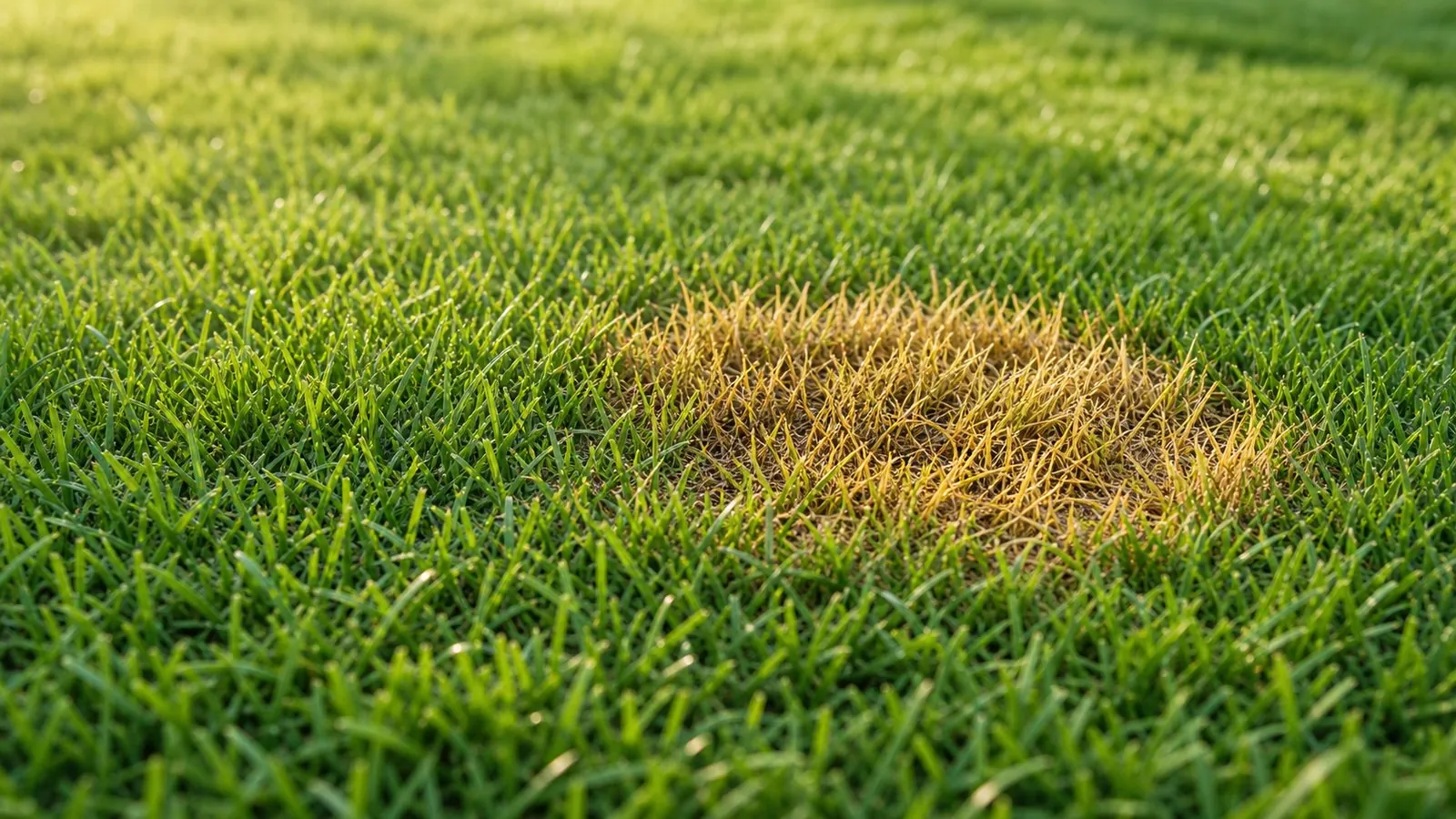
When that waste sits on your lawn, the nitrogen overloads the soil in one tiny spot, the same way over-applying chemical fertilizer scorches grass. The result is the classic "nitrogen burn": a yellow or brown dead patch, often ringed by a band of dark, aggressively over-fertilized green. Those patches can take an entire growing season to recover, and the bare soil they leave behind is an open invitation for weeds.
A single dog can produce roughly 275 pounds of waste a year. Left on the lawn, that's not fertilizer, it's a slow, repeated dose of acid and nitrogen your grass never asked for.
The health risks hiding in the grass
The damage isn't only cosmetic. Dog waste is a genuine biohazard, and it lingers far longer than most people realize. A single gram can contain millions of bacteria, plus a roster of parasites that don't care whether they end up in your dog, your kids, or you.
- Roundworms & hookworms. Their eggs can survive in soil for years and are a leading cause of preventable infections in children who play in the yard.
- Giardia & coccidia. Microscopic parasites that cause nasty digestive illness and spread easily between pets sharing the same space.
- E. coli, salmonella & campylobacter. Bacteria that thrive in waste and can be tracked indoors on paws, shoes, and little hands.
- Parvovirus. A highly contagious, potentially deadly virus for unvaccinated dogs that survives in contaminated ground for months.
This is why the EPA officially classifies pet waste as an environmental pollutant, the same category as toxic chemicals and oil runoff. It's not an exaggeration; it's a public-health classification.
Why it doesn't "just wash away"
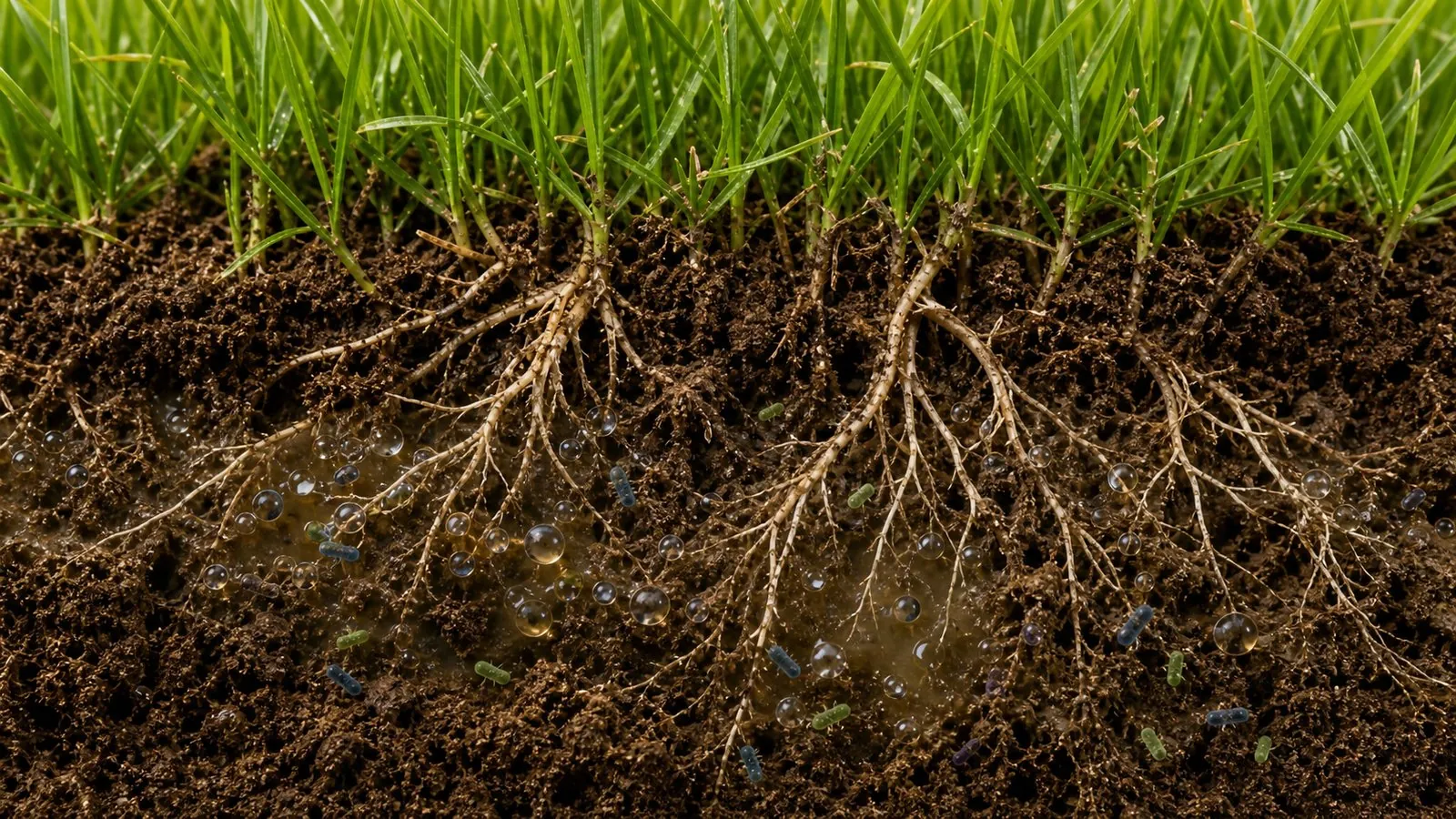
The most damaging myth of all is that a good rainstorm takes care of the problem. It doesn't, it just moves the problem somewhere you can't see it. Rain breaks waste into smaller particles and washes them deeper into your soil and across your yard, spreading the bacteria and parasite eggs over a much wider area than the original pile.
From there, the runoff carries contaminants into storm drains, which usually feed straight into local creeks, ponds, and rivers with no treatment. The nitrogen that burned your grass now fuels algae blooms in waterways, choking out fish and aquatic life. So "letting nature handle it" doesn't make the waste disappear, it just relocates the harm to your soil, your neighbors' yards, and the local watershed.
How a scooping service actually helps
Consistency is everything. The harm from dog waste compounds the longer it sits, so the single best thing you can do is remove it completely and regularly. That's exactly what a professional service is built to do. Here's how routine, thorough cleanups break the cycle:
- It interrupts the parasite life cycle. Removing waste before eggs can mature and spread keeps your soil from becoming a long-term reservoir of infection.
- It stops nitrogen burn before it starts. No waste sitting on the grass means no acid-and-nitrogen overload, so your lawn stays evenly green.
- It protects the people and pets you love. A reliably clean yard is one your kids and dogs can actually enjoy barefoot and worry-free.
- It keeps contaminants out of the watershed. Waste hauled away and disposed of properly never gets a chance to wash into local waterways.
At TidyTails, every visit is more than a quick scoop. We do a full sweep of your yard, double-bag and haul everything away, sanitize our tools between properties, and text you a photo so you know the job's done and the gate is secured. It's the difference between treating a symptom and actually solving the problem, for your lawn, your family, and your weekends.
Your grass works hard to stay green. Give it a fighting chance by keeping waste off it for good. If you're ready to hand off the dirty work, get a free quote and we'll take it from here.